Brief
Design Principle
Architecture
Implementation

Last
Space Launch Scheduling Management
Next

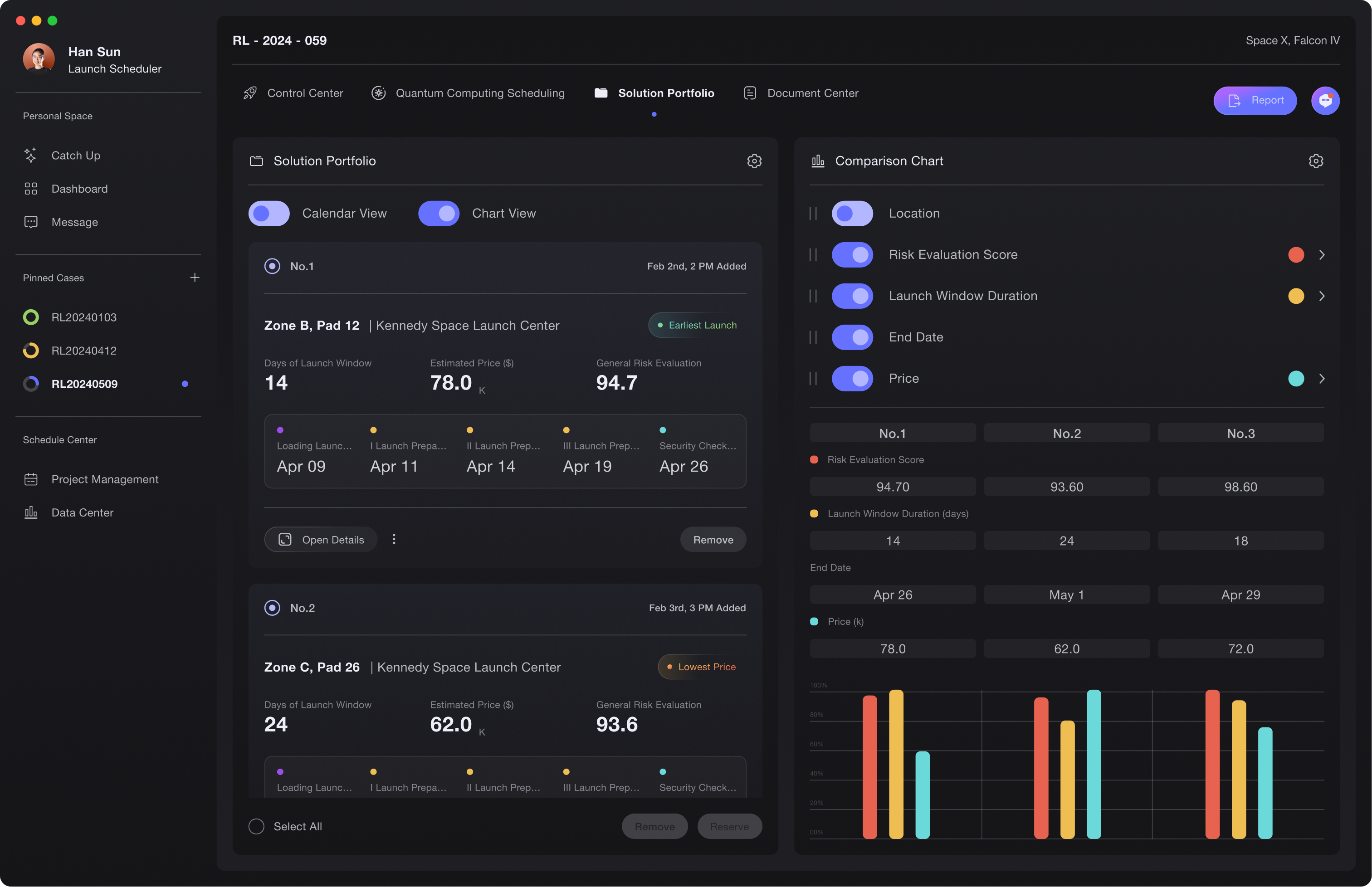
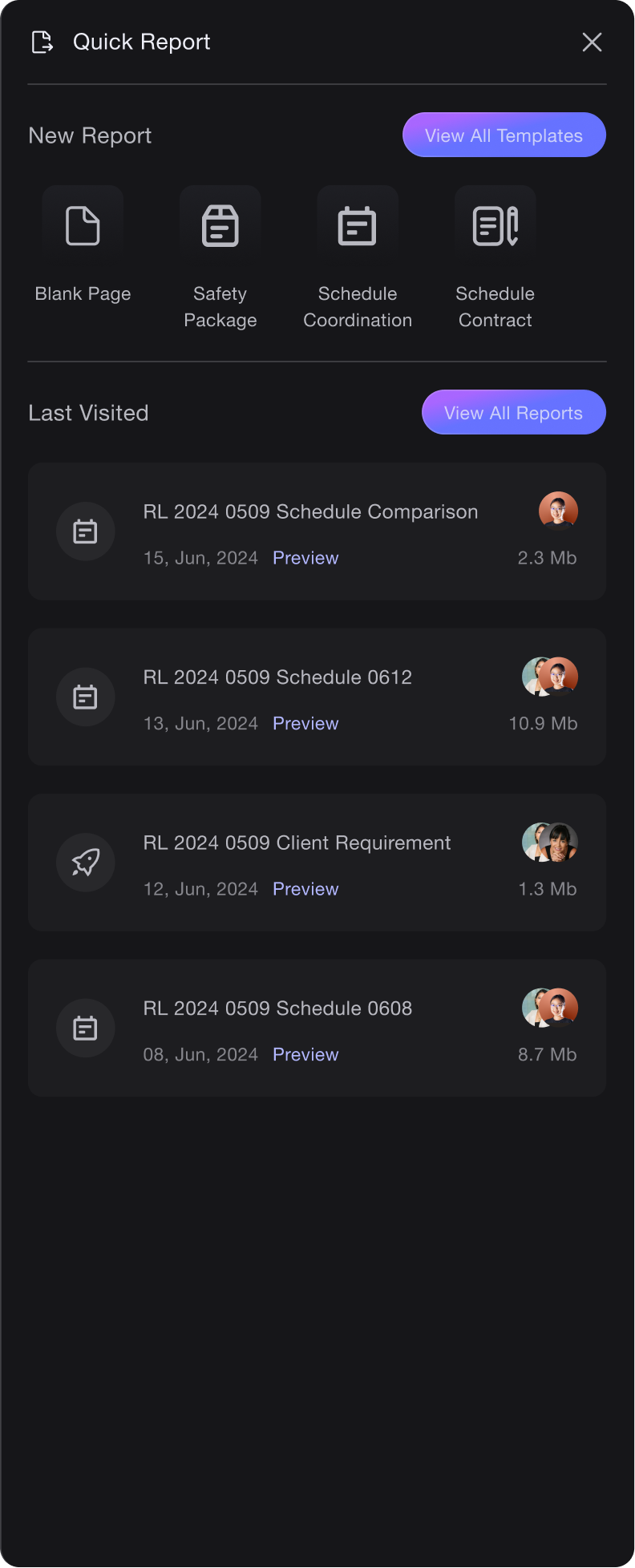
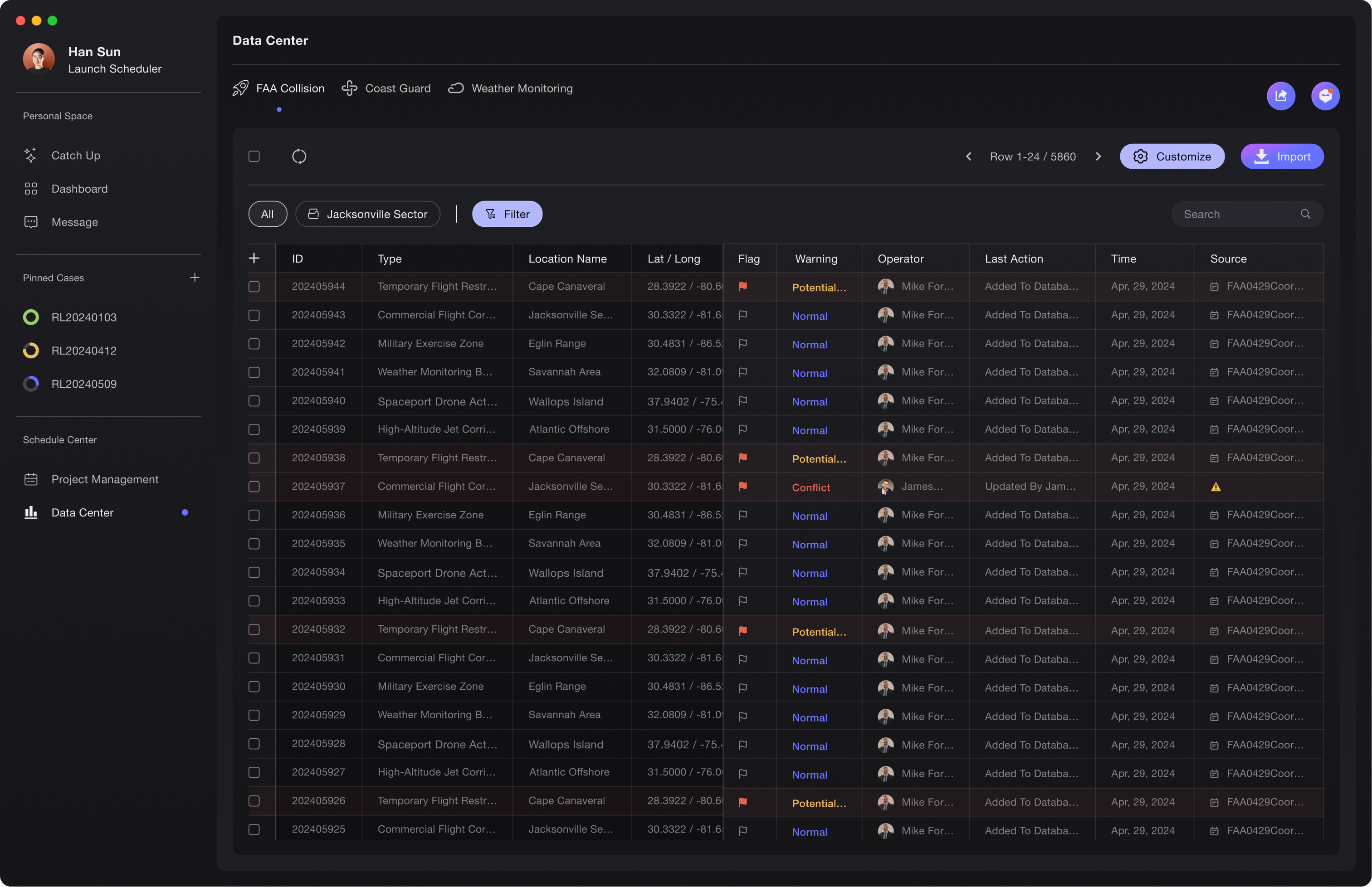
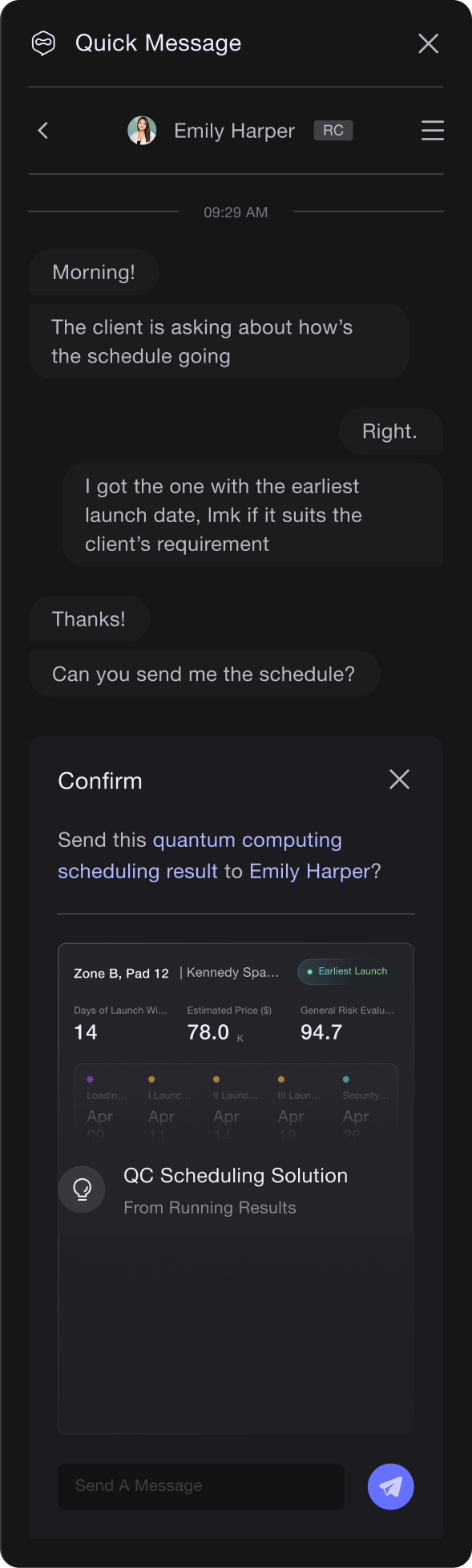
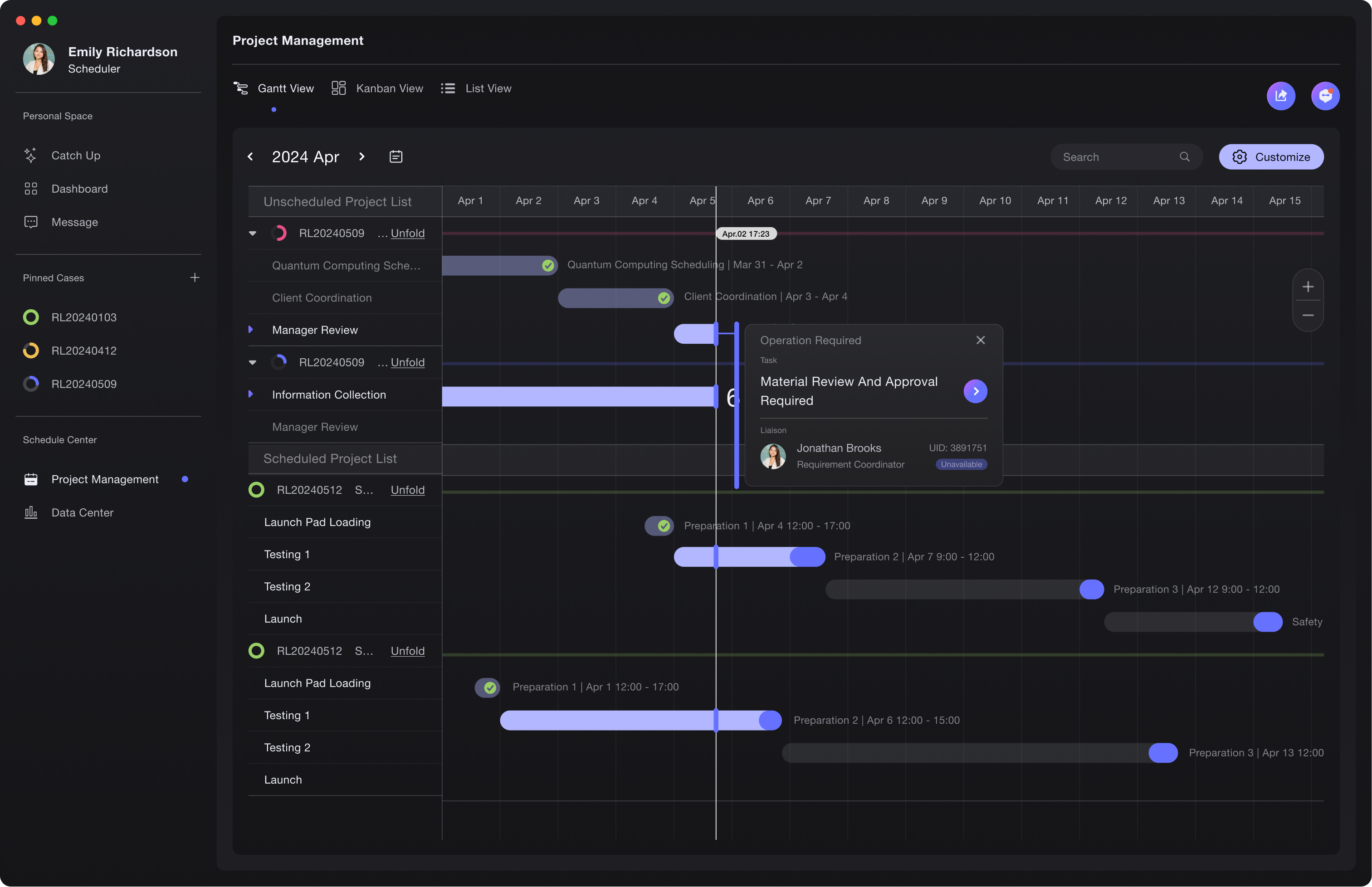
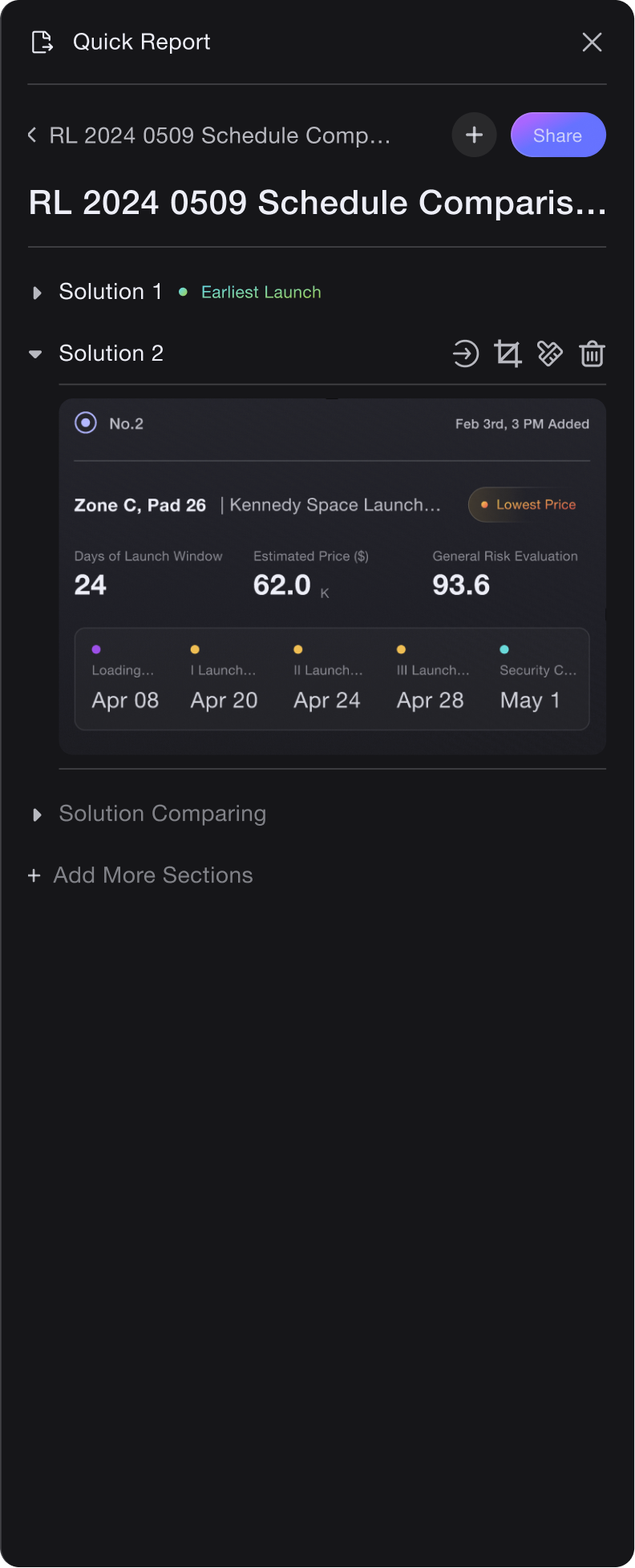
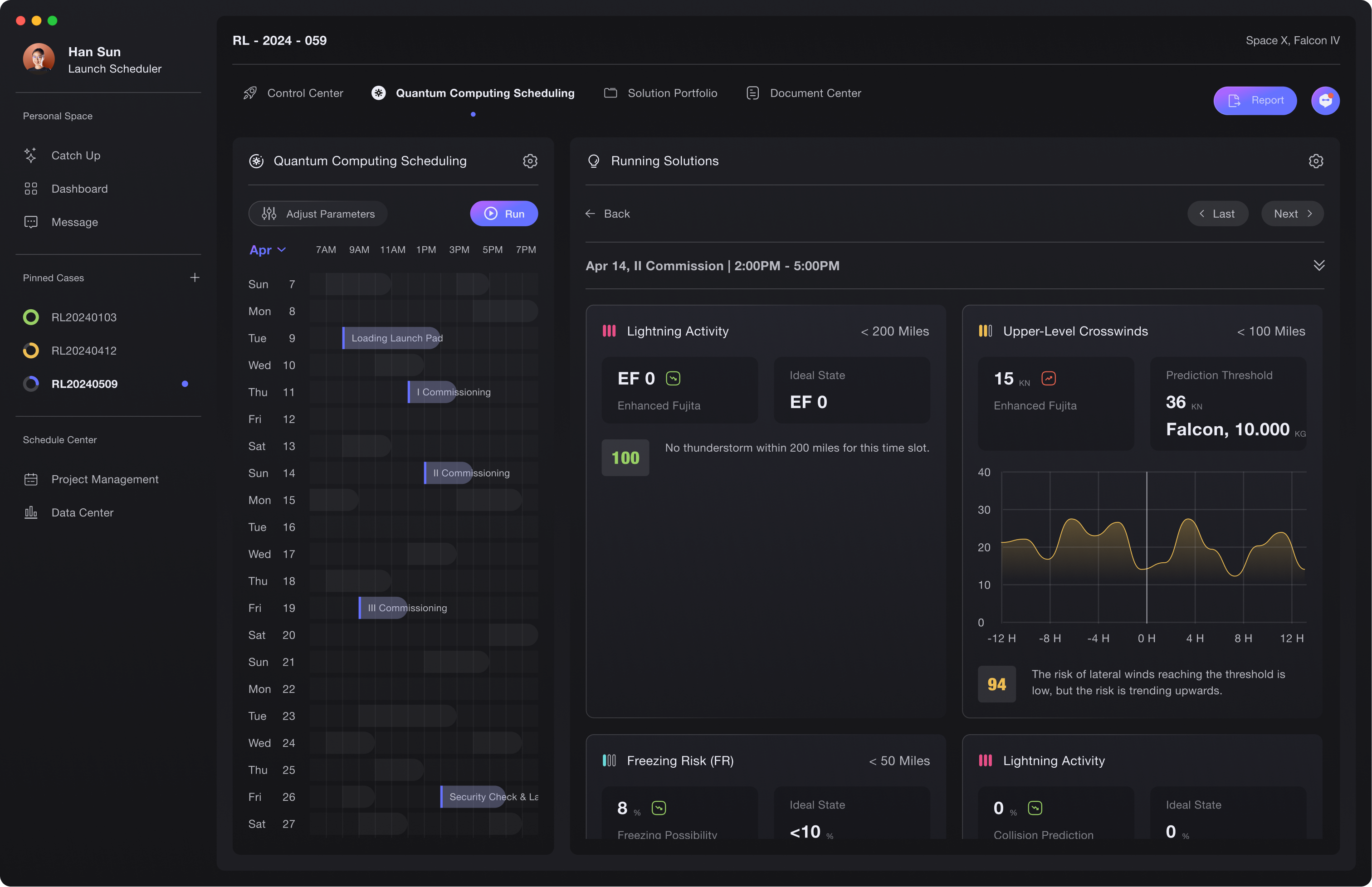
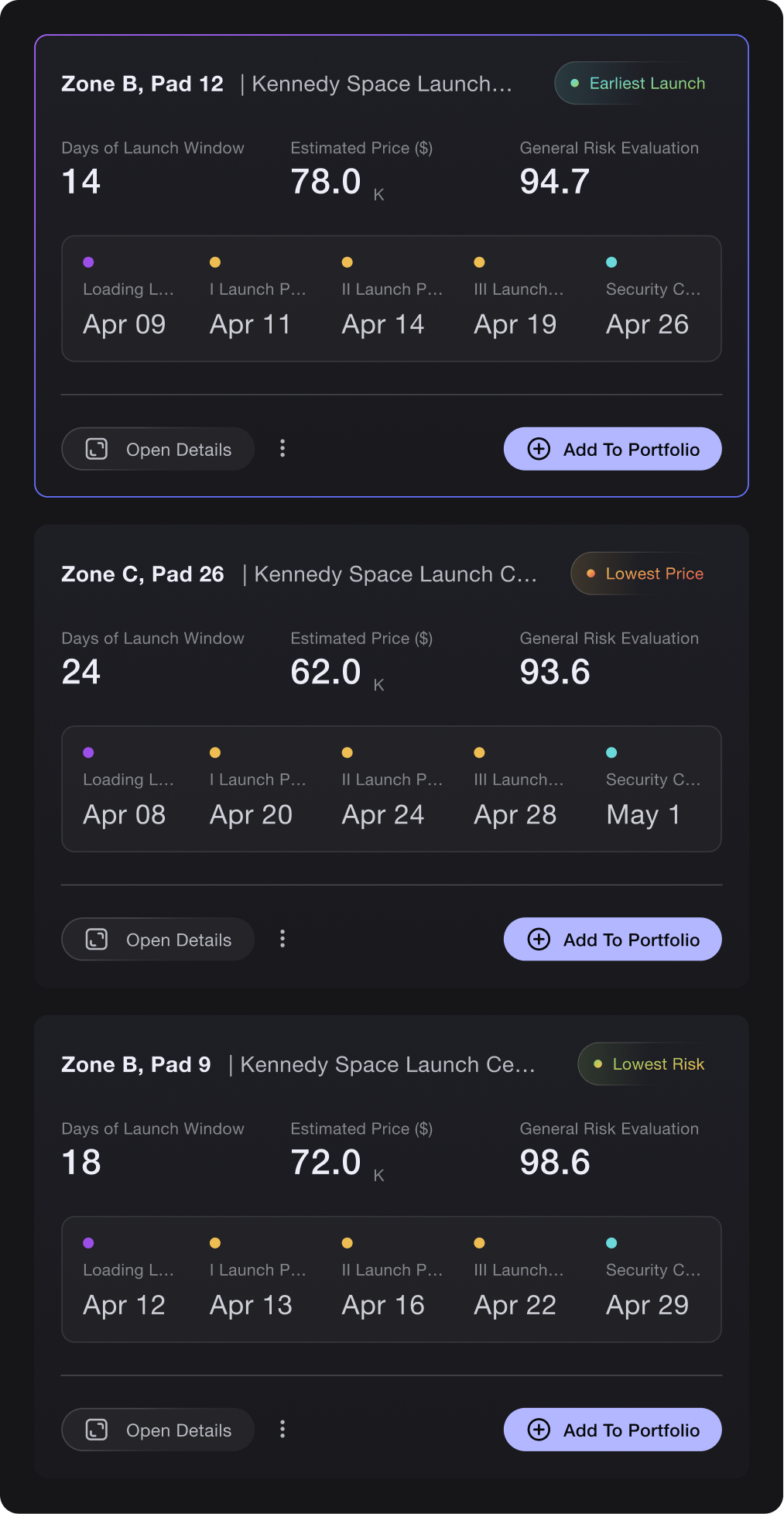
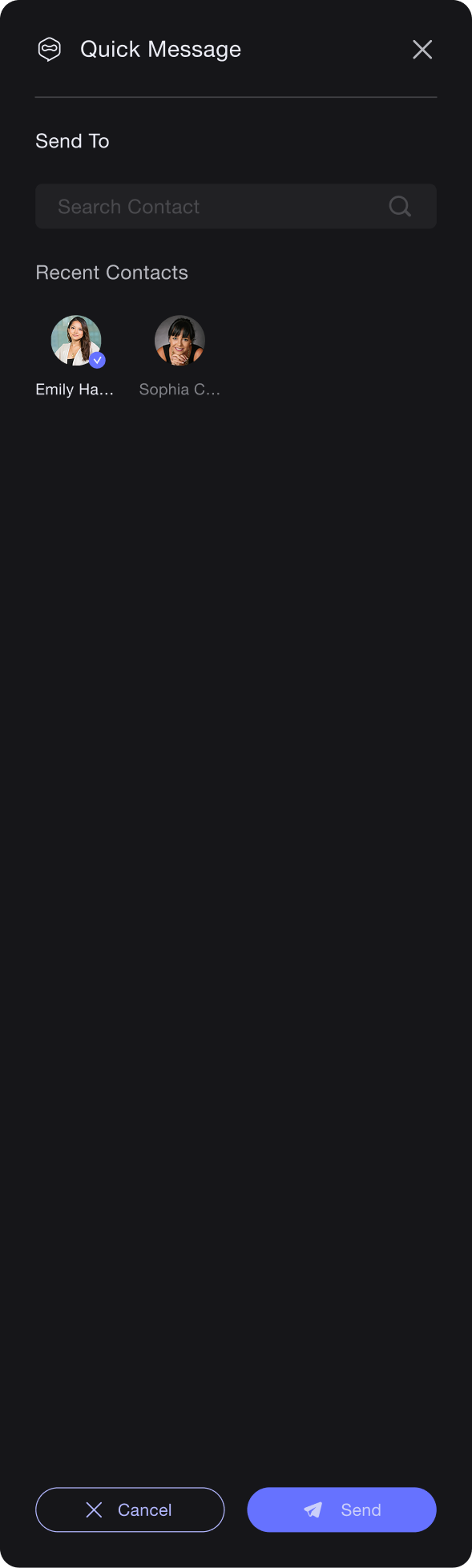
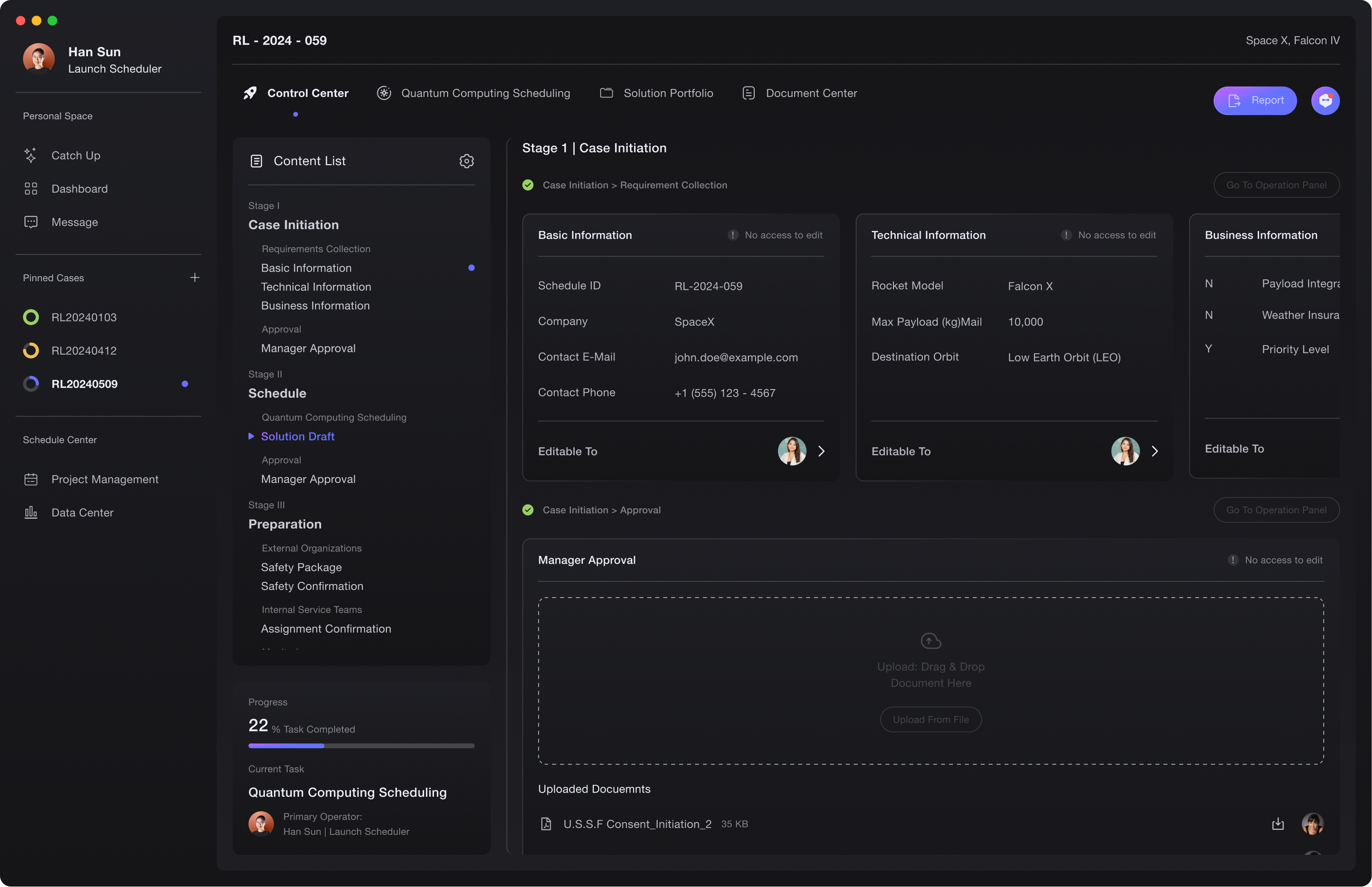
I owned the design and delivery of the Database Module, Quick Action Panel, and Comparison Module, and iterated the product structure and design system.
It remains one of my proudest works — where I advocated for lean prototyping and rapid iteration amid technical and operational complexity and truly practiced structured design. I’m grateful to be a member of this remarkable cross-functional team — they made every achievement and breakthrough possible.
* All data has been de-identified.
As space-launch demands surged, the traditional Excel-based scheduling process became unsustainable. The U.S. Space Force began exploring quantum-computing-powered algorithms to assist human operators in launch scheduling and resource allocation — introducing new interface challenges in human-algorithm collaboration.
In essence, this launch scheduling and reservation system was required to serve as a “bridge” between human decision-makers and quantum computing automation, built on an “input–process–output” structure.
0→1 Scheduling Management System
Bridging automation and human operation — a challenge of HCI trust, clarity, and usability in complex data environments.
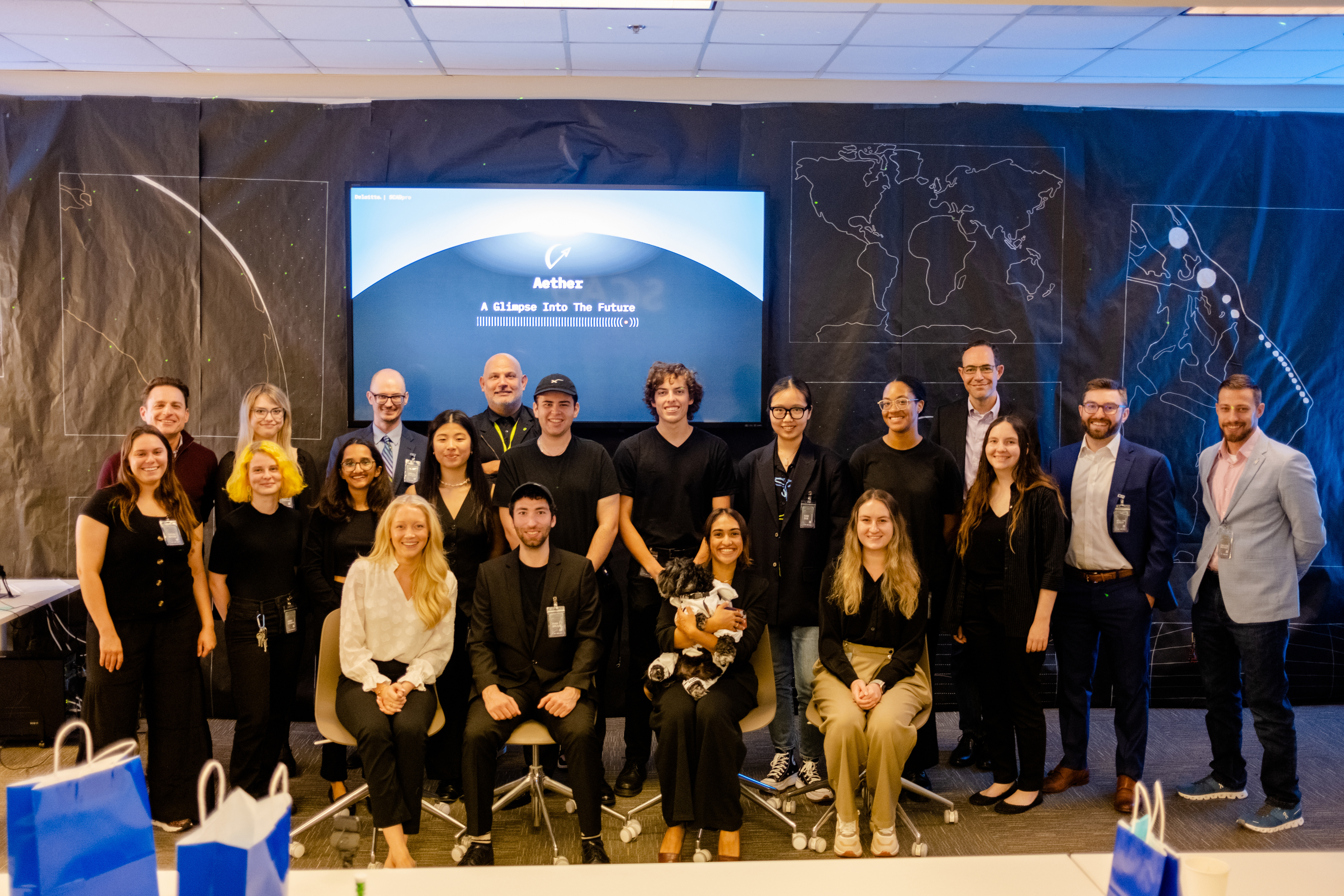
Know more about our collaboration
involving USSF, Deloitte, and DWave, consisted of algorithm engineers, developers, designers, and researchers.

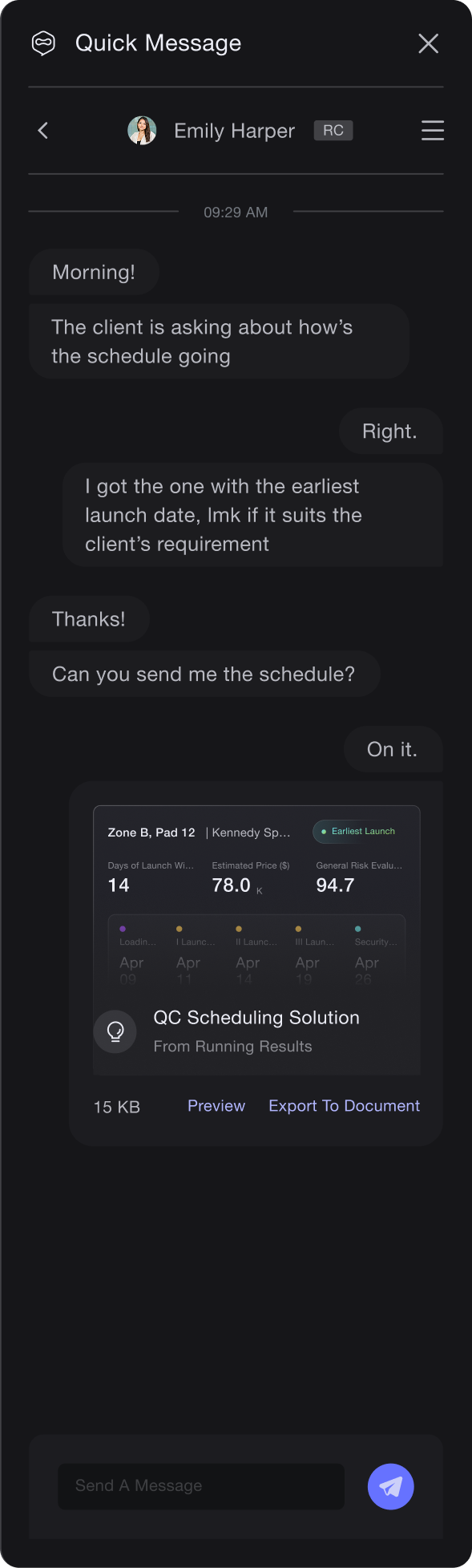
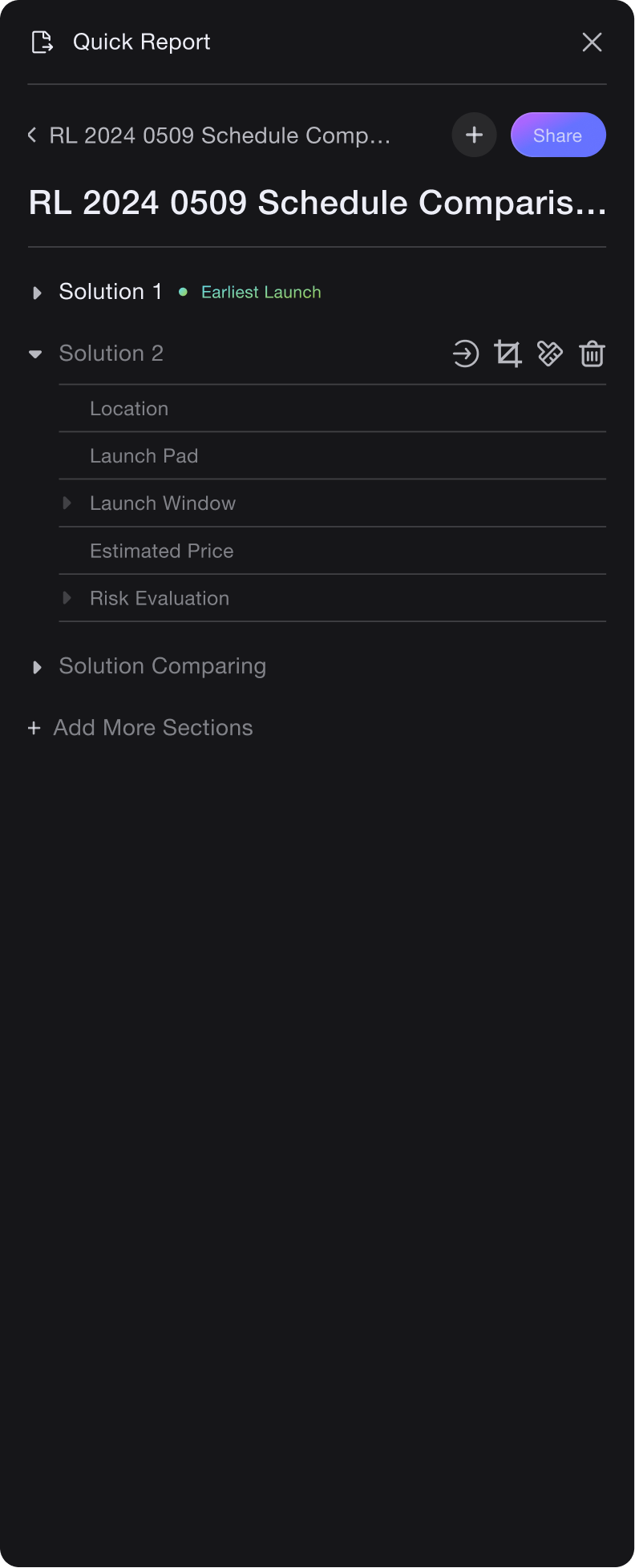
Process
Quantum Algorithms


Input
Scheduling Resources
The Task
I didn’t “discuss” a requirement with clients; I showed it to them and let them test it. In our very first meeting, I sketched the initial concept in 1 min — a practice of lean prototyping that continued throughout the project.
Throughout hundreds of iterations, two principles guided us:1. Turn unclear needs into rapid prototypes to validate or discard.2. Study workflows to trim or hide irrelevant information and features.
Together with the client, we co-created a service blueprint to map workflows across roles, uncovering pain points and needs. This tool offered insights into each role’s expectations and guided our collaborative design process.
Prototype can take just 1 min - Investing resources only in needs that have been validated as valuable.
Workflow research: Anticipating needs ahead of the client
Showcase 1: Schedulers require a certain level of visualization of computational processes to trust scheduling algorithms,
making Data Visualization Module a validated requirement.
Design Principle
Requirement Definition Process Showcase
External Constraints
Provider Requirements
Additional Flows Supporting Mission Operations

Output
Optimized Launch Schedule




Algorithm Engineer:
Me Prototyping in 1 min:
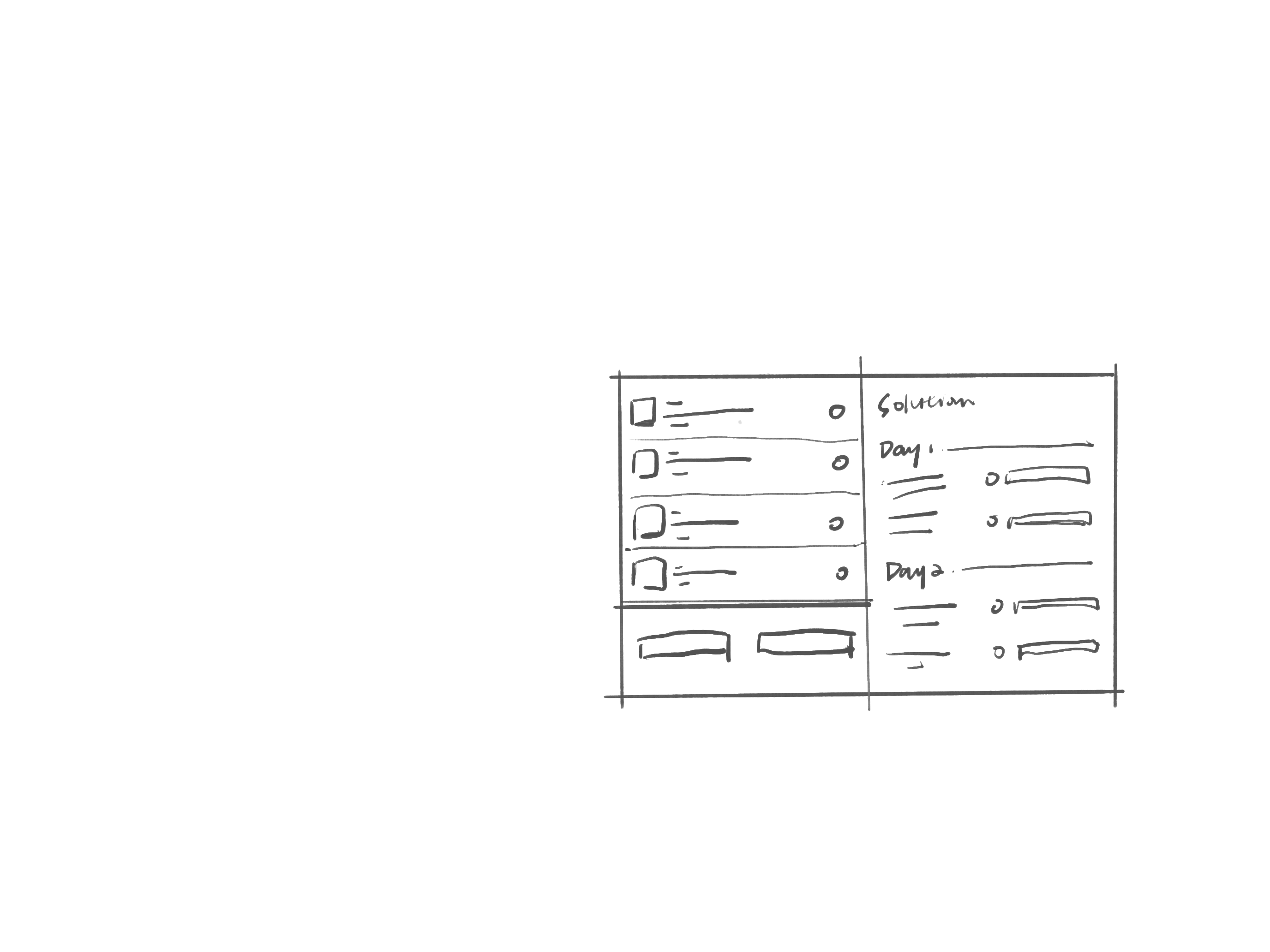
“ Look, quantum computing can get the optimal solution in no time—all you have to do is upload the data... “
“ Well, looks like all you are looking for is just a few buttons... And here it is. “
Me highly doubting it’s that simple...
Buttons for importing and processing
Input Resources List
Solution Information List


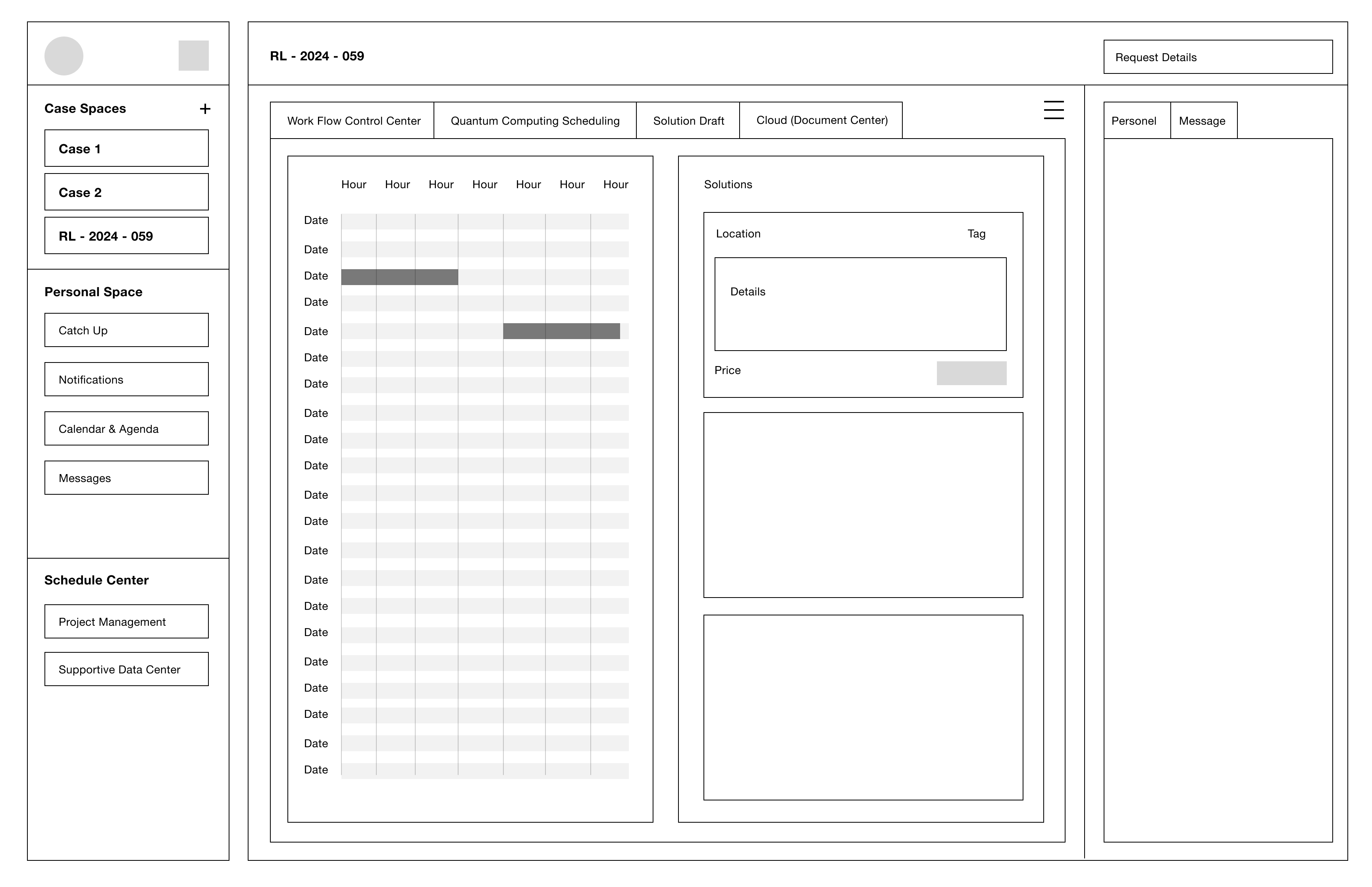
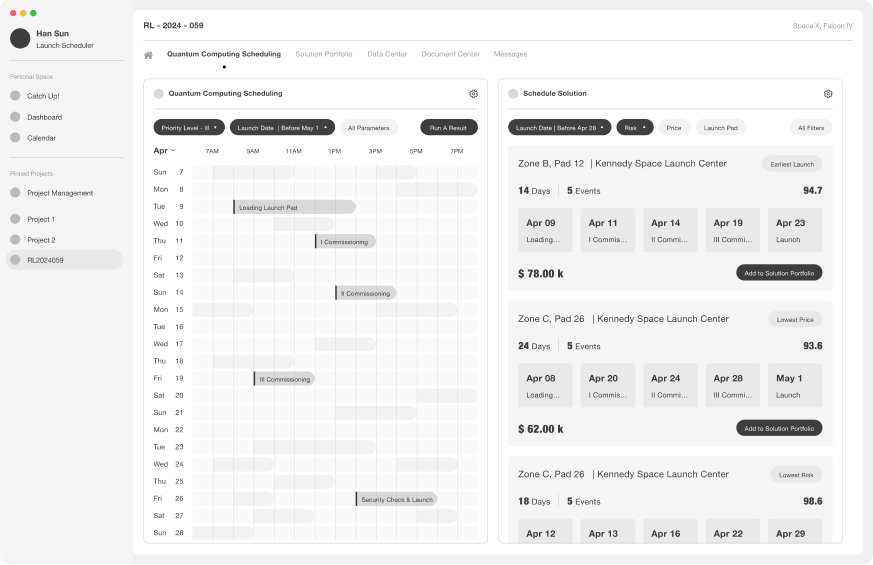
Input Area